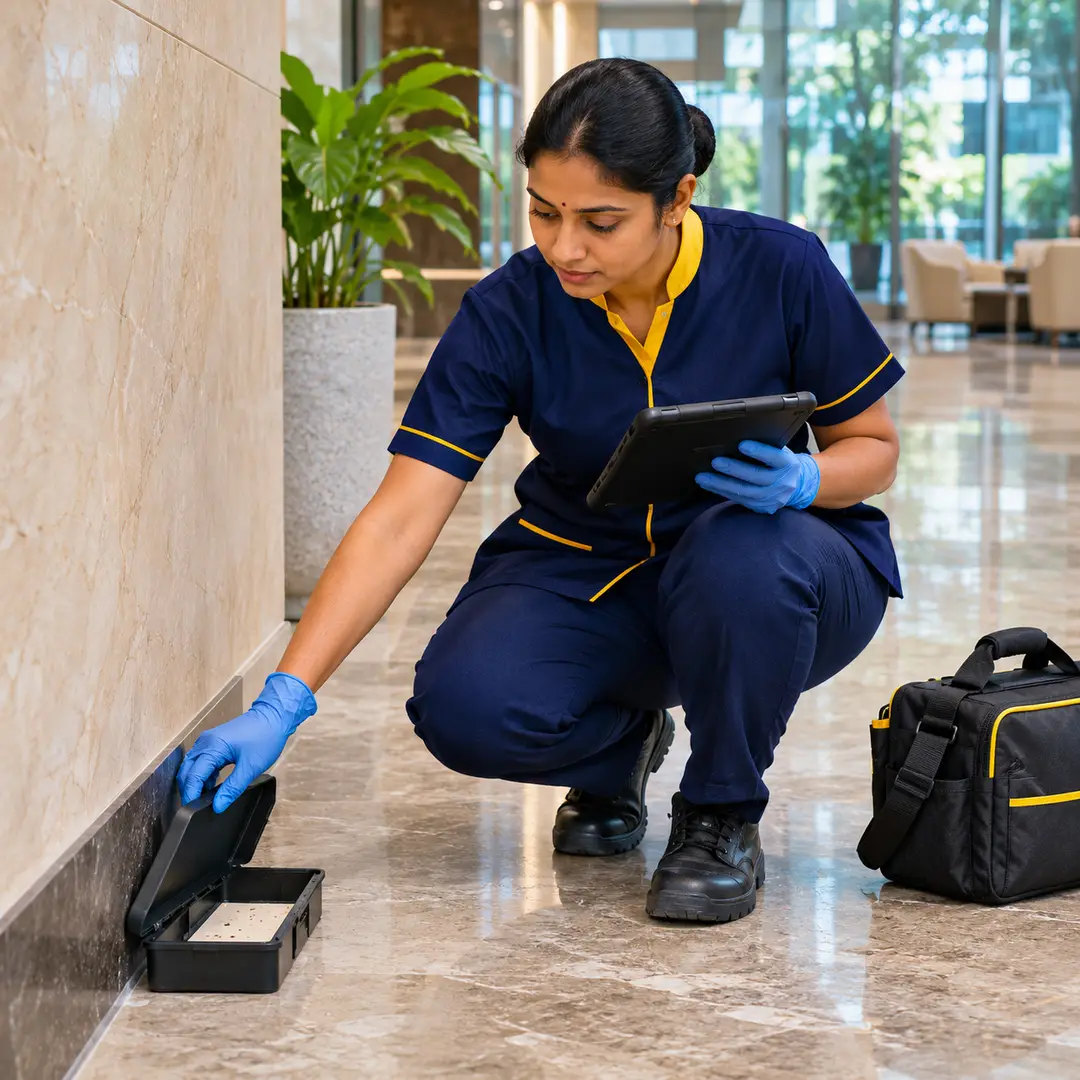
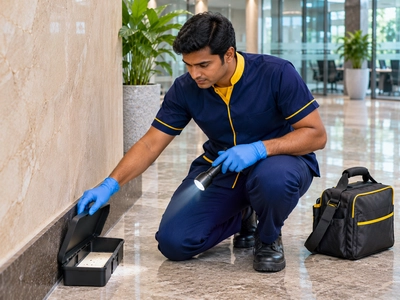
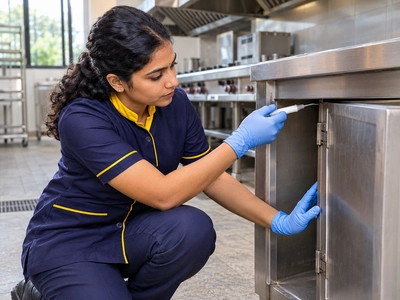
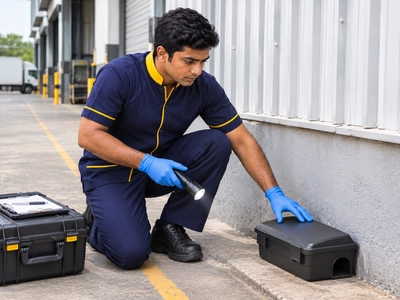
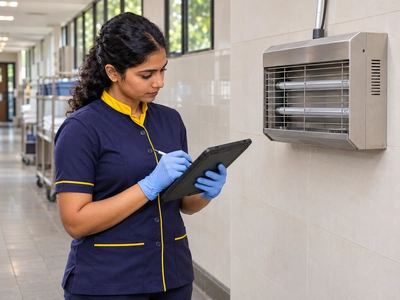
Site-specific pest management to address pest activity, support workplace hygiene, and reduce the conditions that contribute to recurring infestations.
SSI Facility Services provides commercial pest control services through site inspections, targeted treatment, preventive recommendations, and follow-up monitoring. Each service plan considers the pest type, level of activity, working environment, and site requirements.
From offices and commercial buildings to pantry areas and shared spaces, our approach focuses on identifying pest activity and the conditions supporting it. Treatment is coordinated with practical measures for hygiene, waste handling, access points, and facility upkeep.
Treatment methods and service frequency are determined following inspection and assessment of the facility.


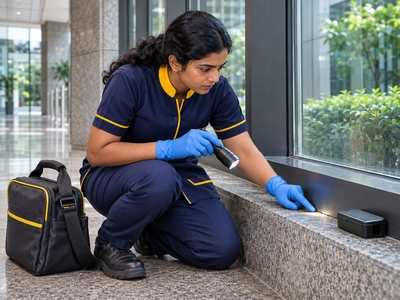
Personnel
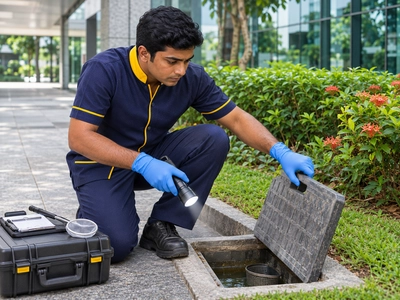
Methods

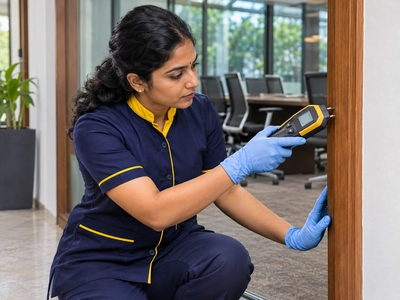
Product Use
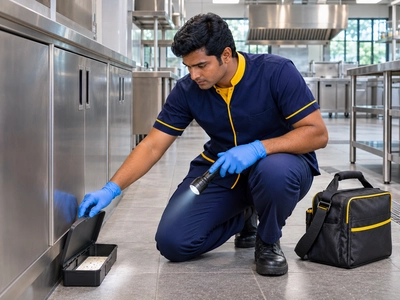
Follow-Up
We assess pest concerns, plan suitable action, and review results through monitoring and site coordination.
Identify pest activity, potential entry points, food and moisture sources, and areas requiring attention.
Define treatment methods, schedules, site preparations, and safety precautions.
Apply suitable control measures through trained personnel, following product instructions and site procedures.
Review pest activity, document findings, and recommend measures to reduce recurrence.
Our service procedures focus on appropriate methods, occupant precautions, accurate records, and follow-up action.
Select control measures according to pest type, facility conditions, and operational requirements.

Assign personnel suited to the inspection, treatment, and monitoring activities required.
Follow product instructions, protective equipment requirements, and applicable access and re-entry precautions.

Document inspection findings, treatment details, monitoring results, and recommended corrective actions.
Established in 2012, SSI Facility Services combines trained teams, structured supervision, and regional coordination. Our organisation-wide workforce includes more than 5,000 professionals across eight states.
Address pest activity alongside the hygiene conditions that may contribute to it.

Scheduled inspections help identify signs of activity and areas requiring attention.

Recommendations on entry points, waste handling, moisture, and storage support ongoing pest management.

Defined schedules, treatment records, and supervisory reviews support service follow-up.
Service plans consider each industry’s operating conditions, hygiene requirements, occupancy, and treatment restrictions.
Site-specific service planning supported by operational coordination and regular review.
[Display approved SSI client logos relevant to the service.]
Feedback on our pest management services, site coordination, and follow-up.
[Insert approved client testimonials.]
Treatment can be planned around operating hours or agreed maintenance windows. Preparation, restricted access, ventilation, and re-entry requirements depend on the selected method and product instructions.
Yes. Site-specific plans can be coordinated across locations, with treatment schedules, reporting, and review procedures agreed for each facility.
Agreed records can include inspection findings, service reports, treatment and product details, monitoring results, and corrective action recommendations.
Follow-up inspections review activity patterns and contributing conditions. Recommendations may cover access points, waste storage, housekeeping, moisture, and other site conditions, alongside suitable treatment.
Requirements are assessed according to operational sensitivity, hygiene procedures, occupant precautions, and applicable site restrictions. Treatment methods and timing are agreed with the client.
Reviews can consider monitoring results, signs of pest activity, recurring complaints, treatment outcomes, and completion of recommended corrective actions.
Yes. Contact SSI to discuss office pest control and other commercial pest management requirements across India. Service scope and deployment are confirmed following assessment.
Please share the facility location, approximate area, type of pest concern, affected locations, operating hours, and any previous treatment details. A site inspection helps determine suitable action.